
A Guide to Railcar Cleaning
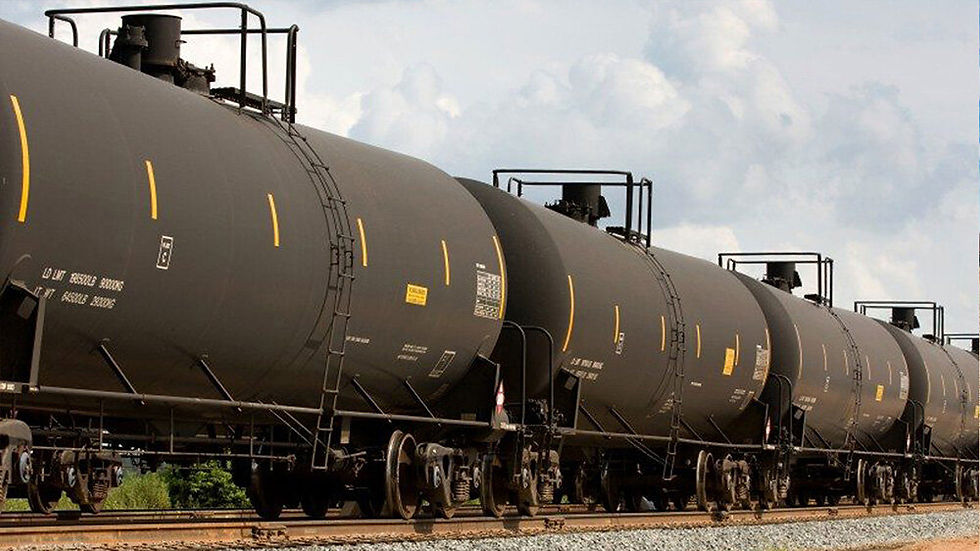
Keeping your railcar fleet clean isn’t just a cosmetic choice—it’s a critical component of safe, compliant, and cost-effective operations. From food-grade products to corrosive chemicals, residues left behind in tank cars or hoppers can lead to cross-contamination, accelerated corrosion, regulatory fines, and costly downtime. This guide covers everything you need to know about professional railcar cleaning services, from the latest hydroblasting technology to scheduling best practices and real-world results.
1. Why Regular Railcar Cleaning Matters
Product Integrity & Contamination Prevention
Even trace amounts of an old cargo can spoil your next load—whether it’s foodstuffs or acids. A thorough cleaning program safeguards product quality and your reputation.Regulatory Compliance
The Association of American Railroads (AAR) and EPA require documented, repeatable cleaning procedures—especially for hazardous materials. Failure to comply can mean hefty fines or being taken out of service.Equipment Longevity
Chemical residues and baked-on scale accelerate corrosion, increasing maintenance costs and shortening the service life of expensive tank car assets.Operational Uptime
Faster turnaround times for cleaning translate directly into more revenue-generating runs per car, boosting fleet utilization and return on investment.
2. Core Cleaning Technologies & Processes
High-Pressure Hydroblasting
400–4,000 psi of water pressure blasts away stubborn deposits in seconds.
Automated rotating nozzles guarantee 360° coverage inside tanks, hoppers, and specialized vessels.
Cold-water or heated-water options adapt to the viscosity of your product residue.
Nitrogen Purging
Vapor Elimination: Inject inert nitrogen gas to displace oxygen and flammable vapors before any liquid enters the car.
Safety First: Eliminates ignition risks when cleaning tank cars that previously carried petroleum, solvents, or other volatile compounds.
AAR-Certified Valve Inspection & Repair
Valve Integrity: Pressure-relief valves, bottom-load fittings, and other critical components are tested and rebuilt to factory specifications.
Leak Prevention: Ensures every seal and gasket meets the AAR’s stringent leak-tight standards.
Bulk Liquid Transloading
On-Site Offload/Reload: While cars are being cleaned, high-capacity pumps (up to 10,000 gph) transfer fluids in a single visit.
Multi-Compartment Hoses: Haul multiple products or segregate incompatible liquids without cross-contamination.
3. Building an Effective Cleaning Schedule
Routine Wash-Downs
Frequency: Weekly to bi-monthly for general-purpose cars.
Focus: Light residues, surface wash, and valve inspection.Deep-Clean Cycles
Frequency: Quarterly or before switching commodity types.
Scope: Full hydroblasting, purge, valve rebuild, and transloading.On-Demand Emergency Cleaning
Triggers: Unexpected contamination, regulatory audit failures, or customer rejection.
Turnaround: Rapid-response crews available 24/7 to minimize downtime.
4. Best Practices & Cost-Saving Tips
Integrate Valve Repair with Cleaning
Bundling AAR-certified valve maintenance into your cleaning contract often reduces mobilization fees and overall downtime.Leverage Bulk Transloading
Combining cleaning and transloading eliminates extra pump-out visits and truck traffic, cutting logistics costs by up to 20%.Track Performance Metrics
Monitor cycle times, failure rates, and post-cleaning inspections to optimize schedule frequency and identify recurring issues early.Use Pre-Wash Chemistry
In cases of heavy polymer or asphalt residues, a biodegradable degreaser applied before hydroblasting can reduce water usage and cleaning time.
5. Case Study: Chemical Distributor Boosts Throughput by 30%
A mid-western chemical shipper faced chronic delays and contamination complaints when in-house teams attempted mobile rinsing. After switching to a professional railcar cleaning service with integrated transloading:
Turnaround Time shrank from 48 hours to 30 hours per car.
Fleet Utilization improved by 12%, enabling two additional runs per month.
Customer Satisfaction rose as product purity issues dropped to zero.
6. Choosing the Right Railcar Cleaning Partner
When evaluating service providers, look for:
AAR Certification & Safety Credentials (HAZWOPER, DOT).
Proven Technology (hydroblasting pressures up to 4,000 psi, nitrogen purging).
Comprehensive Documentation (chain-of-custody, valve test reports, wash receipts).
Flexible Logistics (multiple yard locations, 24/7 rapid response, real-time tracking).
Professional railcar cleaning services are an investment that pays off through regulatory compliance, extended asset life, and higher fleet utilization. By leveraging advanced hydroblasting, nitrogen purging, and AAR-certified valve repair—all combined with on-site bulk transloading—you can minimize downtime, prevent costly accidents, and maintain the highest standards of safety and quality.